
SKIN ABNORMALITIES AND THEIR TREATMENT AT ORALMED STUDIO
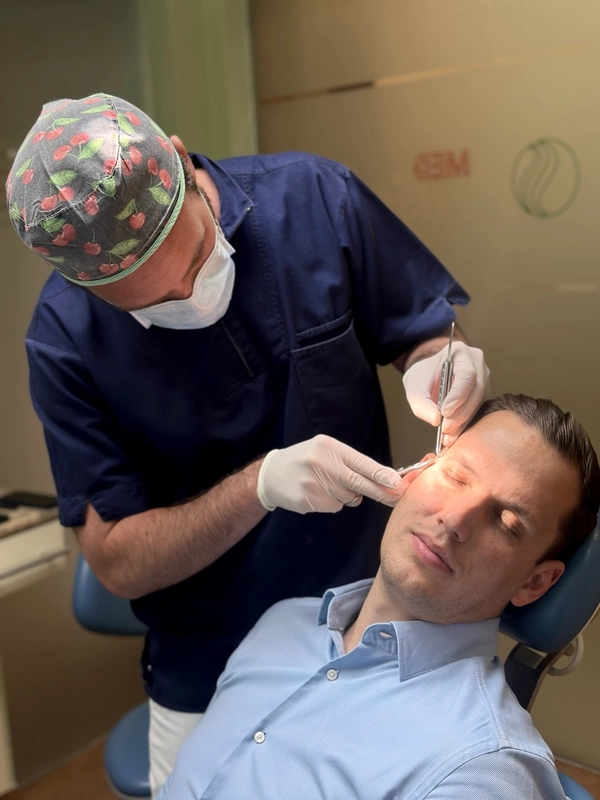
The skin is one of our most dynamically changing organs, and various benign and malignant lesions may appear on its surface throughout our lives. Skin lesions such as moles, warts, or fibromas are often harmless; however, in certain cases, it may be necessary to have them evaluated and removed by a specialist—whether for medical or cosmetic reasons.
At OralMed Studio’s dermatology clinic, our goal is always to provide safe, effective, and prompt care.
WHAT SKIN LESIONS SHOULD BE ADDRESSED?
Removal recommended by a doctor is most commonly indicated for the following types of lesions:
Moles: pigmented skin lesions that may require a specialist examination if their size, shape, or color changes.
Warts: viral skin growths that may be cosmetically bothersome or cause discomfort.
Skin tags: small growths protruding from the skin’s surface that are primarily bothersome for cosmetic reasons.
Lipomas: soft, slow-growing lumps of fat under the skin.
Fibromas: benign skin tumors, commonly known as “skin tags.”
Keloids: growths formed from scar tissue that often grow excessively and cause aesthetic or physical discomfort.
The need for removal is not only important for cosmetic reasons—in certain cases, these skin growths can become malignant or be subject to irritation, such as from mechanical stress, surface friction, or strong sunlight.
HOW DOES THE CONSULTATION AND TREATMENT WORK?
Before treatment, a personal examination is always conducted, during which the specialist assesses the nature, size, and location of the lesion. Based on this, the specialist recommends the most appropriate solution.
The removal of skin lesions is usually performed under local anesthesia, making the procedure completely painless. Smaller lesions can usually be removed in 15–30 minutes, and the method of the procedure depends on the specific situation and the affected area.
The goal of surgical removal is to leave as small a scar as possible while ensuring that the lesion is completely removed—with a clean margin—and that a histological examination is performed.
In most cases, the stitches are removed after 7–10 days, based on an individualized consultation.
WHAT SHOULD YOU KNOW ABOUT RECOVERY?
After the procedure, it is important to keep the wound area clean and dry and to avoid physical exertion during the first few days.
It is common for the wound to feel slightly tender, tight, or swollen for a few days—these symptoms are usually temporary. The bandage and the area around the wound should be disinfected regularly during the healing period, and it is advisable to avoid direct sunlight—in the long term, you should always ensure adequate sun protection.
WHEN IS DERMATOLOGICAL SURGERY WARRANTED?
Not every skin lesion requires immediate intervention. Dermatological surgery is necessary when the removal of a lesion is medically indicated (usually by a dermatologist), whether for health, functional, or cosmetic reasons.
Examples of such cases include:
- if the lesion is to be removed based on a medical recommendation,
- if the lesion is regularly injured, irritated, or causes pain,
- if its location interferes with daily activities,
- or if it is aesthetically bothersome to the patient and removal can be performed safely.
The purpose of a dermatological consultation is not to determine whether removal is necessary, but to decide which method is the safest.
Therefore, treating skin lesions is not merely a cosmetic issue, but an important part of maintaining skin health. At OralMed Studio, our dermatological care is professional, personalized, and supported by modern equipment.
Our experienced specialists look forward to welcoming you to our Budapest office for a dermatological consultation – you can book an appointment here!

