
Maxillofacial Surgery
A mismatch between the upper and lower jaw can cause difficulty biting and chewing, as well as aesthetic irregularities. Orthognathic surgery corrects the position of the jaws to help improve both function and facial appearance.
Our Maxillofacial Surgery Treatments
For each treatment, we indicate whether you can book it online right away or whether a prior consultation is recommended, so you can start on the right path from the outset.
● Book online
○ Consultation recommended
Surgical Consultation
ConsultationA thorough examination of jaw irregularities.
Details and prices
During the assessment, we use digital X-rays and CBCT scans to examine the anatomy and position of your jaws in detail, along with any bite and functional irregularities.
Based on the results, we determine the appropriate treatment options and plan the surgery together with an orthodontic specialist.
Bite Abnormalities
ConsultationSurgical correction of jaw irregularities.
Details and prices
Orthognathic surgery is generally needed for patients whose jaw position cannot be corrected by conventional orthodontics alone.
Surgical treatment may be considered in the following cases:
- An excessively protruding or receding jaw (prognathism or retrognathism)
- Open bite and crossbite, which can cause chewing problems and jaw joint complaints
- Facial asymmetry resulting from jaw irregularities
- Certain breathing problems, such as sleep apnea
Surgery is usually preceded by orthodontic treatment, during which we align the teeth to the planned surgical position of the jaws. This process takes approximately 12–18 months.
Jaw Joint Problems (TMJ)
ConsultationComprehensive treatment of jaw joint pain and dysfunction.
Details and prices
Jaw joint complaints can include clicking in the joint, pain, limited mouth opening, and discomfort when chewing. The symptoms may stem from dysfunction of the joint, the chewing muscles, or the surrounding structures.
Depending on the underlying causes, treatment may involve a range of approaches, such as a bite-raising splint, targeted physical therapy, or other conservative therapies. When needed, collaboration between an orthodontic specialist, a dentist specializing in jaw joint problems, and a physical therapist can help relieve your symptoms.
Surgery mainly comes into consideration in more severe cases that do not respond adequately to other treatments.
Skin Surgery
ConsultationSpecialist examination and gentle removal of skin lesions.
Details and prices
From moles and skin growths to cancerous skin lesions, we offer personalized surgical solutions, with particular attention to safe care and aesthetic results.
Learn more about your removal options and the key things to know! →
Frequently Asked Questions About Treatment
When should you see a maxillofacial surgeon?
If bite irregularities make chewing or speaking difficult, your jaw position is significantly off, or facial asymmetry bothers you, it’s worth seeing a specialist. Persistent jaw joint pain and recurring difficulty opening your mouth may also warrant an evaluation.
From what age can orthognathic surgery be performed?
Orthognathic surgery is generally performed once the jaws have finished growing, usually in late adolescence or adulthood. The right timing depends on individual development and the nature of the irregularity.
Is the surgery performed under general anesthesia?
Yes, orthognathic surgery is performed under general anesthesia. The procedure is preceded by an anesthesiology evaluation and detailed surgical preparation.
How long does recovery take?
A hospital stay of a few days is usually required after surgery. The swelling gradually goes down, and for everyday activities 1-2
What diet is recommended after jaw surgery?
In the first phase of healing, a liquid diet is recommended, followed by a pureed or soft diet, so that the jaws are not put under excessive strain. You will return to normal eating gradually, as directed by your doctor.
Do I need follow-up visits after surgery?
Yes, regular follow-up visits are important for monitoring wound healing, the position of the jaws, and how your bite is developing. After surgery, orthodontic treatment may also continue to fine-tune your final bite.
Our Maxillofacial Surgeons
You can also choose a doctor when booking. For each specialist, we indicate how they can be booked.
-
-
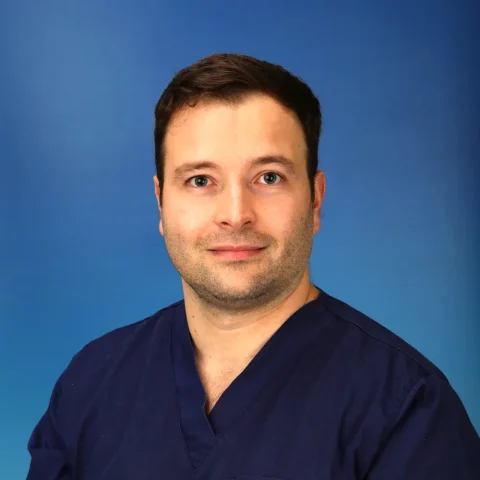
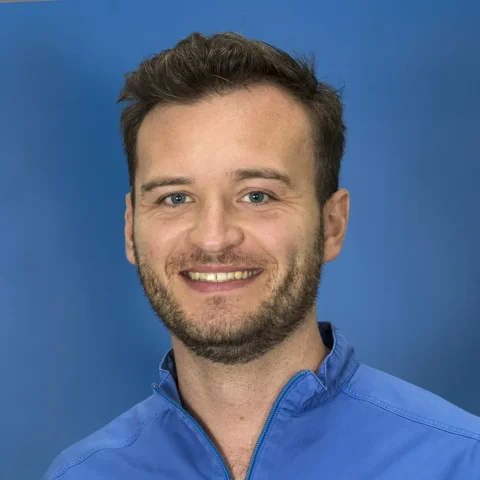
Dr. Szakály Balázs
Wisdom Tooth Removal · Implantology · Bone Grafting
Read more →: Dr. Szakály Balázs
Do you have a facial or jaw complaint?
Briefly describe your concern and leave your contact details – a member of our team will call you back and schedule a specialist consultation.
Prefer to call? +36 70 398 6638