
○ Consultation required
Full Mouth Rehabilitation
With a large number of missing teeth or teeth that cannot be saved, advanced periodontal disease, significant bone loss, or severely damaged teeth, you may need a comprehensive treatment plan that takes the condition of your entire mouth into account. Its goal is the long-term restoration of chewing function, stability, health, and aesthetics.
Have an urgent question? Call: +36 70 398 6638
Restoring Your Smile with Personalized Solutions
Treatment always begins with detailed diagnostics, in which we assess the condition of your existing teeth, gums, and bone, your bite, and your individual characteristics and needs.
Full mouth rehabilitation is not a single treatment. It is a personalized process in which the necessary dental, periodontal, oral surgery, implant, and prosthetic procedures build on one another.
When Might You Need Full Mouth Rehabilitation?
Full mouth rehabilitation typically becomes necessary when the condition of your teeth is already affecting your everyday quality of life: chewing becomes difficult or uncomfortable, your existing dental prostheses are not adequately stable, or loose teeth and aesthetic problems increasingly bother you day to day.
In these cases, the focus is not on treating individual teeth separately but on planning how the proper function and stability of all your teeth can be restored. Wherever possible, we strive to preserve your own teeth, and we take them into account when choosing the right long-term rehabilitation solution.
Full Mouth Rehabilitation Options
Implants and Fixed Dental Prostheses
When several teeth are missing, dental implants may make it possible to create a stable, fixed dental prosthesis without placing a separate implant for every missing tooth.
Details
The number and position of the implants always require individual planning. In determining them, we consider factors such as the available bone, the extent of tooth loss, your bite, and the design of the future dental prosthesis.
Under suitable conditions, crowns and bridges on implants can provide a stable, comfortable, and aesthetic solution even for extensive tooth loss.
All-on-4 – Full-Arch Replacement on Implants
If you have no teeth left, or your teeth are so severely damaged that they can no longer be saved, the All-on-4 concept offers a way to secure a full arch on implants.
Details
The essence of the method is that a complete, fixed dental prosthesis is held in place by properly planned implants. However, All-on-4 cannot be used in every case: your bone, anatomy, general health, and the condition of your mouth all determine whether this solution is the right choice.
Implants with Bone Grafting
With long-standing or extensive tooth loss, the existing bone may no longer provide an adequate foundation for implants on its own.
Details
In these cases, various bone grafting procedures can create the conditions needed for implant placement. The type and extent of the procedure required always depend on the specific anatomy; in some cases bone grafting is done at the same time as implant placement, in others beforehand.
Removable Dental Prostheses
A dental prosthesis secured on implants is not always the most suitable solution. With many missing teeth or no teeth at all, a modern removable dental prosthesis can also restore your chewing function and smile, and it is an excellent solution especially if implants cannot be placed or you would prefer a different treatment option.
Implant-Stabilized Removable Dental Prostheses
With a few properly placed implants, a removable denture can be secured more stably while still being removable for cleaning.
Details
This can mean a significant improvement in comfort, especially if you have no teeth left: it can reduce movement of the prosthesis and give you a greater sense of security when speaking and chewing.
Treating Periodontal Disease as Part of Rehabilitation
With advanced periodontal disease, it is especially important to treat the inflammation and assess the prognosis of the teeth that can still be kept before the dental prosthesis is made.
Details
The goal of periodontal treatment is to create a stable, inflammation-free condition on which later rehabilitation can safely be built. Only then can we decide which teeth can be preserved over the long term, which should be removed, and which dental prosthetic option offers the right solution.
One Treatment Plan, Several Specialties Working Together
Full mouth rehabilitation is a complex process that often requires the coordinated work of several dental specialties. At OralMed Studio, we build the process around a single, unified treatment plan. This means the individual procedures do not simply follow one another as separate treatments, but serve the planned final result from the very beginning.
Details
After the first consultation and the necessary diagnostic tests, we discuss in detail the treatment options that may be considered, how they are expected to proceed, and how they build on one another. The goal is always a long-term solution that lets you eat, speak, and smile with stability, comfort, and confidence again.
Frequently Asked Questions About Treatment
Do all teeth in poor condition have to be removed for full mouth rehabilitation?
No. When planning treatment, we evaluate the condition and long-term viability of each tooth individually. If one of your own teeth can be preserved with a good prognosis, we strive to keep it.
If I have no teeth left, is a removable denture my only option?
No. Depending on anatomical and health conditions, a traditional removable dental prosthesis, an implant-stabilized removable dental prosthesis, or a full arch fixed on implants may be considered.
Is bone grafting always necessary for implants?
No. Whether bone grafting is needed, and to what extent, depends on the available bone and the planned position of the implants. Assessing this requires appropriate diagnostic imaging and planning by a specialist.
What happens if I have periodontal disease?
With active periodontal disease, the first priority is to treat the inflammation and stabilize the condition. Only then can we reliably plan which teeth can be kept and how the final rehabilitation can be built.
How long does full mouth rehabilitation take?
The length of treatment depends greatly on your starting condition and the procedures required. A complex rehabilitation that includes tooth extraction, bone grafting, and implants may involve several stages of healing, so the entire process may take several months. We discuss the expected schedule with you in advance as part of your personalized treatment plan.
Will I be left without teeth between treatments?
When planning a full rehabilitation, we also think about the interim period. If the clinical situation allows, a temporary dental prosthesis can ensure that you do not have to go without teeth for extended periods during the healing stages.
The Specialists Performing This Treatment
-
-
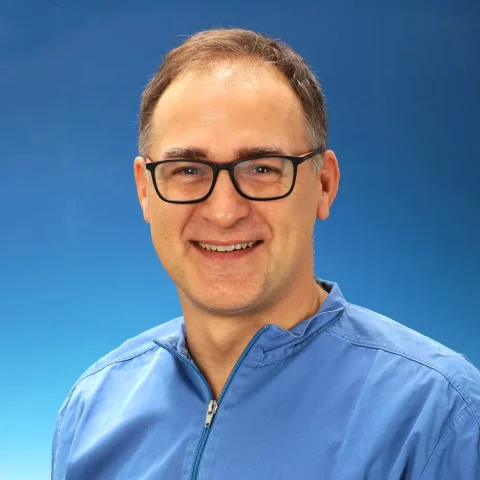
Dr. Mezey Márk László
Implantology · Bone Grafting · Wisdom Tooth Removal
Read more →: Dr. Mezey Márk László -
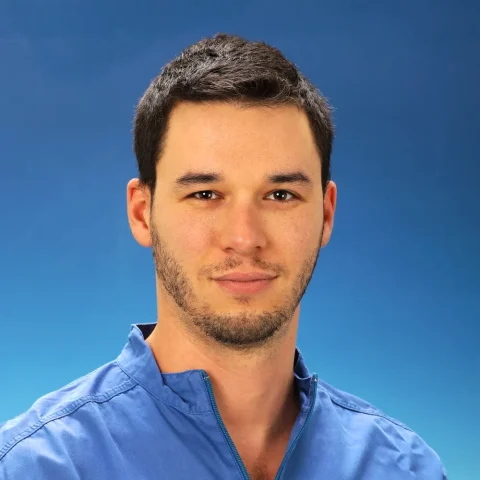
Dr. Varga Dániel Balázs
Implantology · Bone Grafting · Wisdom Tooth Removal
Read more →: Dr. Varga Dániel Balázs -

Dr. Kerekes Erwin
Implantology · Bone Grafting · Wisdom Tooth Removal
Read more →: Dr. Kerekes Erwin -
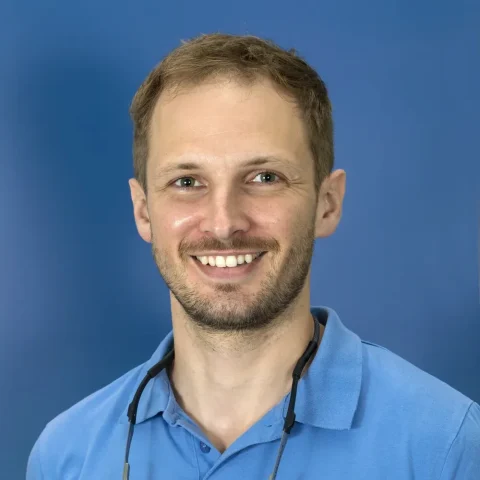
Dr. Komáromy-Poros Gergő
Tooth-Preserving Treatments · Wisdom Tooth Removal · Implantology
Read more →: Dr. Komáromy-Poros Gergő -
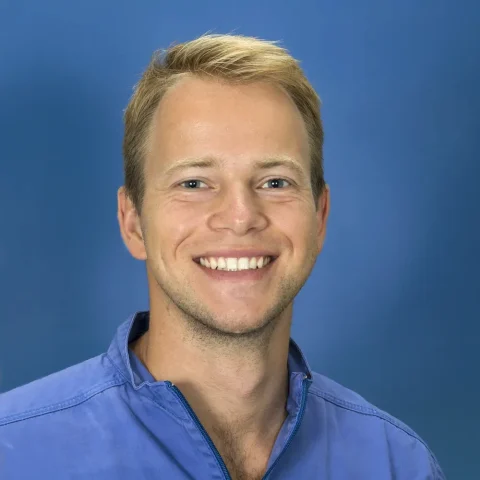
Dr. Molnár Áron Ágoston
Wisdom Tooth Removal · Implantology · Bone Grafting
Read more →: Dr. Molnár Áron Ágoston -
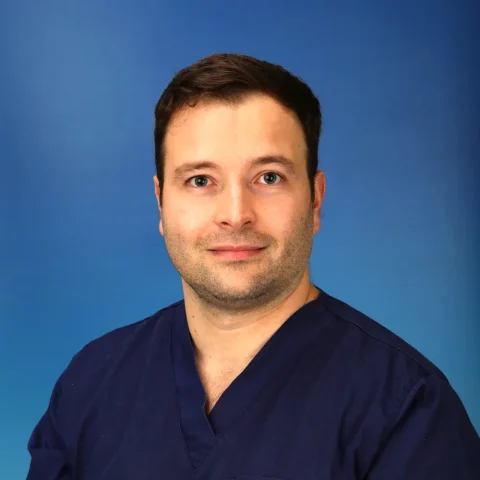
Dr. Szakály Balázs
Wisdom Tooth Removal · Implantology · Bone Grafting
Read more →: Dr. Szakály Balázs
Why OralMed Studio?

Experienced Team
Specialists and dental hygienists in one place.

30 years of experience
Reliable care in Buda.

Easy appointment booking
Online or by phone.

Comprehensive Care
From diagnosis to aftercare, all in one place.
Reviews
★★★★★ Google rating
Do You Have a Question About Full Mouth Rehabilitation?
Leave your contact details and briefly describe what you need. A member of our oral surgery team will call you back and help schedule a consultation.