
○ Consultation required
Tooth-Preserving Surgery
Inflammation and lesions around the root of a tooth do not always mean the tooth has to be removed. When conventional dental treatments are no longer enough, certain oral surgery procedures can offer a way to clear the inflammation and keep your own tooth for the long term.
Have an urgent question? Call: +36 70 398 6638
When Your Own Tooth Can Still Be Saved
A typical symptom of inflammation around the tooth root is pain when biting or chewing, which may be accompanied by swollen gums, sensitivity, and sometimes facial swelling. At times, however, the lesion causes no symptoms and is only discovered during a dental examination.
To choose the right treatment, it is important to thoroughly examine the tooth and surrounding tissues and to determine exactly where the inflammation originates.
Apicoectomy
An apicoectomy is a tooth-preserving oral surgery procedure in which we remove the tip of the tooth root and the inflamed tissue that has formed around it. Its goal is to clear the inflammation and preserve the natural tooth.
During the procedure, certain cystic lesions that have formed around the root tip can also be removed.
When Might You Need an Apicoectomy?
- If there is persistent inflammation around a tooth that has had root canal treatment.
- If repeat root canal treatment is not possible or has not produced results.
- If a lesion requiring removal has developed around the root tip.
- If the tooth is in suitable condition and can still be preserved with surgery.
We always weigh this treatment option based on the condition of the tooth, the anatomy of the root, and the surrounding bone.
How Does an Apicoectomy Work?
Specialist Consultation and Assessment
Using a dental examination and, if needed, a 3D CBCT scan, we assess the condition of the tooth root and surrounding tissues and then determine the treatment options.
The Surgical Procedure
Under local anesthesia, we open the affected area and remove part of the root tip and the inflamed tissue. If needed, we seal the end of the root canal with a separate filling.
Healing Period
After the procedure, the tissues gradually regenerate. Initial healing generally takes a few weeks, while the restoration of the bone may take several months.
Follow-Up Visit
We monitor your healing with regular checkups and, if needed, X-rays to confirm that the inflammation has subsided and the bone is regenerating.
The Specialists Performing This Treatment
-
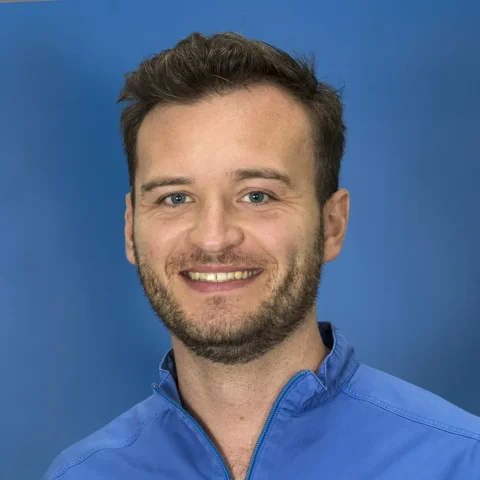
-
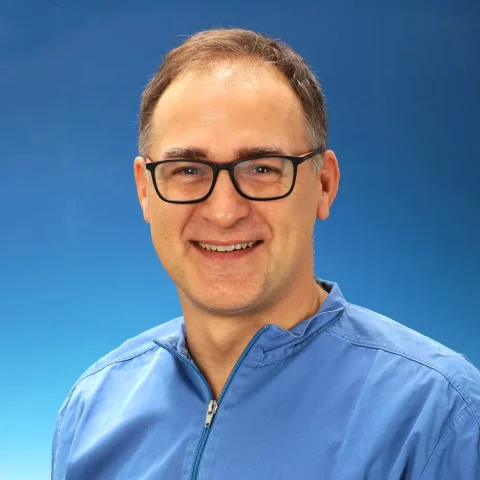
Dr. Mezey Márk László
Implantology · Bone Grafting · Wisdom Tooth Removal
Read more →: Dr. Mezey Márk László -
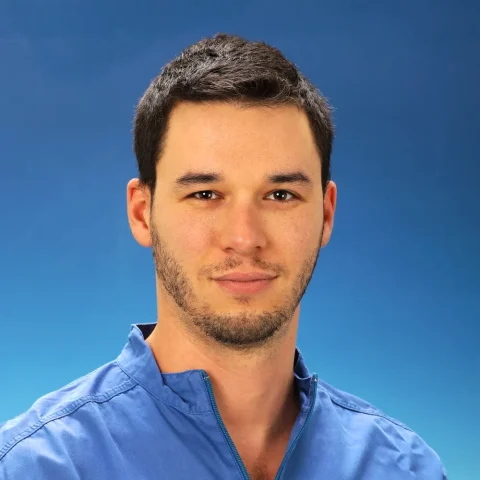
Dr. Varga Dániel Balázs
Implantology · Bone Grafting · Wisdom Tooth Removal
Read more →: Dr. Varga Dániel Balázs -

Dr. Kerekes Erwin
Implantology · Bone Grafting · Wisdom Tooth Removal
Read more →: Dr. Kerekes Erwin -
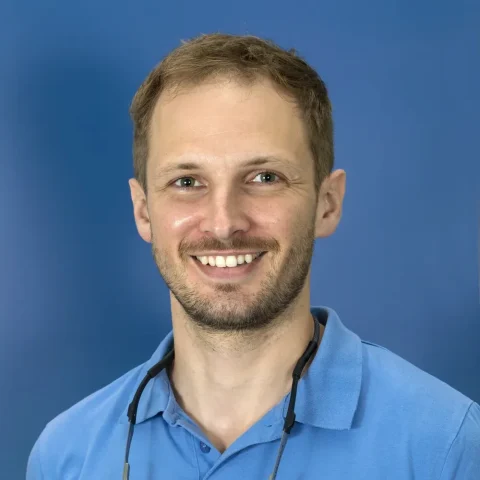
Dr. Komáromy-Poros Gergő
Tooth-Preserving Treatments · Wisdom Tooth Removal · Implantology
Read more →: Dr. Komáromy-Poros Gergő -
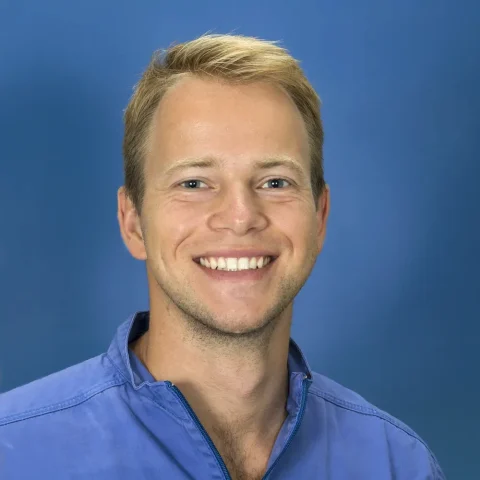
Dr. Molnár Áron Ágoston
Wisdom Tooth Removal · Implantology · Bone Grafting
Read more →: Dr. Molnár Áron Ágoston -
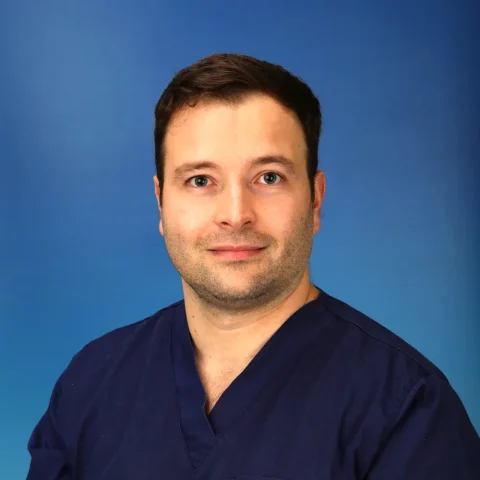
Dr. Szakály Balázs
Wisdom Tooth Removal · Implantology · Bone Grafting
Read more →: Dr. Szakály Balázs
Why OralMed Studio?

Experienced Team
Specialists and dental hygienists in one place.

30 years of experience
Reliable care in Buda.

Easy appointment booking
Online or by phone.

Comprehensive Care
From diagnosis to aftercare, all in one place.
Reviews
★★★★★ Google rating
Have a question about the treatment?
Leave your contact details and briefly describe what you need. A member of our oral surgery team will call you back and help schedule a consultation.