
○ Consultation required
Bone Grafting
Unfortunately, bone can resorb as a result of long-term tooth loss, during trauma, tooth extraction, or orthodontic treatment, and as a consequence of chronic periodontitis or other dental problems. In such cases, bone grafting is needed.
Have an urgent question? Call: +36 70 398 6638
The Right Foundation for Dental Implants
What Is Bone Grafting and When Might It Be Needed?
Bone grafting is an oral surgery procedure in which the doctor uses your own bone tissue or a special bone graft material to restore lost or damaged bone, creating a suitable foundation for anchoring a dental implant.
Bone grafting can use your own bone tissue, bone graft material of human or animal origin, or synthetic bone graft material. We always tailor the most suitable solution to your individual circumstances.
The most common causes of bone loss:
- Long-term tooth loss: after a tooth is lost, the jawbone in the affected area can gradually break down.
- Gum disease: chronic inflammation can lead to destruction of the bone surrounding the teeth.
- Injuries and other lesions: bone deficiency can also develop as a result of accidents, infections, or certain cystic lesions.
Types of Bone Grafting Procedures
Socket Preservation
In this case, the bone graft material is placed in the tooth socket immediately after the extraction. It fills the cavity left by the missing tooth and prevents the remaining bone from resorbing, creating more favorable conditions for later implant placement.
Alveolar Ridge Reconstruction
If teeth have been missing for a longer time, the supporting jawbone can become thinner and recede over time. Ridge reconstruction increases the width and volume of the jawbone so that it can provide a stable foundation for implants or other dental prosthetic options.
Sinus Floor Elevation (Sinus Lift)
During a sinus lift, the oral surgeon carefully lifts the Schneiderian membrane lining the maxillary sinus, then places bone graft material in the space created. After healing, the newly formed bone can provide a suitable foundation for implants. This procedure can be a solution when there is not enough bone in the upper jaw for implant placement.
Bone Block Grafting
When teeth have been missing for a long time, the jawbone shrinks and often only a knife-edge ridge remains, which is not wide enough for placing implants. In this case, we need to widen the bone, and a bone block can be a suitable means of doing so.
The bone block can be harvested from the lower or upper jaw (most often from the chin or the ascending ramus of the lower jaw), but for larger defects even from the skull or the hip bone. Naturally, harvesting bone blocks from outside the mouth (extraoral) requires more extensive preparation and is performed under general anesthesia.
The bone block is secured to the area of bone loss with screws and then left to heal. In most cases, the bone graft needed for a dental implant must heal completely before the implant itself can be placed. Healing time varies from person to person. In some cases, the implant can even be placed at the same time as the bone graft.
What Can You Expect After Bone Grafting?
For a few days after the procedure, you may experience swelling, sensitivity, or mild pain. The length of healing also depends on the type and extent of the bone graft and on your individual characteristics.
For proper regeneration, it is important to protect the surgical site, follow the oral care and medication instructions you are given, and attend your follow-up visits. Your doctor will always explain these to you.
How Does Bone Grafting Work?
Specialist Consultation and Assessment
Using a thorough oral examination and a 3D CBCT scan, we assess the condition of your bone and then prepare a personalized treatment plan.
The Bone Grafting Procedure
The surgery is generally performed under local anesthesia, but general anesthesia is also available if needed. Depending on the chosen procedure, we place bone graft material or your own bone tissue in the affected area.
Healing Period
Over the following months, the bone graft material gradually integrates and new bone forms. We monitor your healing with regular follow-up visits.
Implant Placement
Once sufficient bone has formed, we place the implant, and after healing it receives an abutment and the final dental prosthesis. In favorable cases, bone grafting and implant placement can be done at the same time.
The Specialists Performing This Treatment
-

-

Dr. Mezey Márk László
Implantology · Bone Grafting · Wisdom Tooth Removal
Read more →: Dr. Mezey Márk László -

Dr. Varga Dániel Balázs
Implantology · Bone Grafting · Wisdom Tooth Removal
Read more →: Dr. Varga Dániel Balázs -

Dr. Kerekes Erwin
Implantology · Bone Grafting · Wisdom Tooth Removal
Read more →: Dr. Kerekes Erwin -
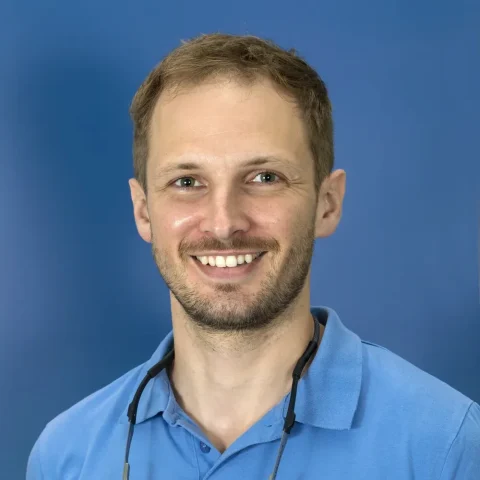
Dr. Komáromy-Poros Gergő
Tooth-Preserving Treatments · Wisdom Tooth Removal · Implantology
Read more →: Dr. Komáromy-Poros Gergő -

Dr. Molnár Áron Ágoston
Wisdom Tooth Removal · Implantology · Bone Grafting
Read more →: Dr. Molnár Áron Ágoston -
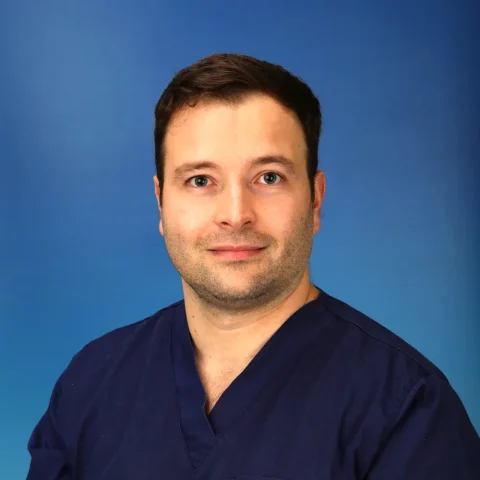
Dr. Szakály Balázs
Wisdom Tooth Removal · Implantology · Bone Grafting
Read more →: Dr. Szakály Balázs
Why OralMed Studio?

Experienced Team
Specialists and dental hygienists in one place.

30 years of experience
Reliable care in Buda.

Easy appointment booking
Online or by phone.

Comprehensive Care
From diagnosis to aftercare, all in one place.
Reviews
★★★★★ Google rating
Have a question about the treatment?
Leave your contact details and briefly describe what you need. A member of our oral surgery team will call you back and help schedule a consultation.