
○ Consultation required
Wisdom Tooth Removal
The role of wisdom teeth has diminished over the course of evolution. Due to lack of space, they often have difficulty erupting and can cause inflammation, pain, or damage to the neighboring teeth, so removing them may be justified.
Have an urgent question? Call: +36 70 398 6638
Key Facts About Wisdom Teeth
Wisdom teeth are usually the last teeth in the dental arch and appear in young adulthood. Because there is often not enough room for them in the jawbone, they may erupt only partially, grow in an unfavorable direction, or remain entirely within the bone. This can make them difficult to clean, which can lead to various dental problems.
Not every wisdom tooth needs to be removed, but if there are complaints, inflammation, or a threat to the surrounding teeth, extraction may be the most suitable solution.
When Might a Wisdom Tooth Need to Be Removed?
- Recurring gum inflammation: Food debris and bacteria can easily build up in the gum pocket around the tooth, which can cause recurring inflammation and even severe pain.
- Unfavorable position, tooth decay: a wisdom tooth that grows at an angle or is impacted can damage the root of the neighboring tooth, and its hard-to-clean position can lead to tooth decay.
- Inflammatory and other lesions: an infection, abscess, or cyst developing around a wisdom tooth can also make removal necessary.
- Orthodontic considerations: in certain cases, removing wisdom teeth can be part of the orthodontic treatment plan, if the position of the teeth or the planned treatment warrants it.
What Symptoms Can Point to a Problem Wisdom Tooth?
Wisdom teeth that do not erupt properly or are impacted can cause a variety of complaints, the most common of which are:
- Pain and sensitivity: pain around the wisdom tooth, sometimes radiating toward the ear or jaw.
- Swollen, red, or bleeding gums: these can indicate inflammation of the tissues around the tooth.
- Bad breath or an unpleasant taste in the mouth: this can result from bacteria building up in hard-to-clean areas.
- Difficulty opening your mouth: inflammation can make jaw movement painful or limited.
- Pain when chewing: sensitivity felt mainly in the area of the back molars.
- Swelling of the face or jaw: this can result from inflammation or infection around the tooth.
However, wisdom teeth in an unfavorable position do not always cause complaints, so regular dental checkups are important. With the necessary examinations and imaging, problem lesions can be detected in time and treated with ease.
Up to Four Wisdom Teeth Removed at Once, Under General Anesthesia
At our clinic, all four wisdom teeth can be removed in a single session, so you only have to plan for one operation and one recovery period. We most often perform these procedures under general anesthesia, which is a more comfortable option: you will not be aware of the noises and discomfort of the surgery, and keeping your mouth open for an extended time will not be a strain.
We always decide whether simultaneous removal is possible case by case, after a thorough assessment and imaging.
What Can You Expect After Wisdom Tooth Removal?
For a few days after the procedure, you may experience pain, swelling, or difficulty opening your mouth. Recovery time varies from person to person and also depends on the position of the tooth and the complexity of the surgery.
For proper recovery, it is important to follow your doctor’s instructions and attend the prescribed follow-up visits.
For detailed information about recovery, read our article “What to Do After a Tooth Extraction”!
How Is a Wisdom Tooth Removed?
Consultation and Oral Health Assessment
Our oral surgery specialist examines the position of the wisdom teeth and the condition of the surrounding tissues, and plans the procedure based on a 3D CBCT scan.
Anesthesia and Preparation
Wisdom tooth removal is usually performed under local anesthesia. In more complex cases or in cases of heightened anxiety, we also offer the procedure under general anesthesia, following an appropriate prior examination.
Removing the Wisdom Tooth
Fully erupted, easily accessible wisdom teeth can often be removed with a simple extraction. Teeth that are partially erupted or located within the bone may require surgical exposure.
Wound Care and Aftercare
After the procedure, we treat the wound, place sutures if needed, and then give you detailed guidance on what to do during the healing period and about your follow-up visit.
The Specialists Performing This Treatment
-

-

Dr. Mezey Márk László
Implantology · Bone Grafting · Wisdom Tooth Removal
Read more →: Dr. Mezey Márk László -
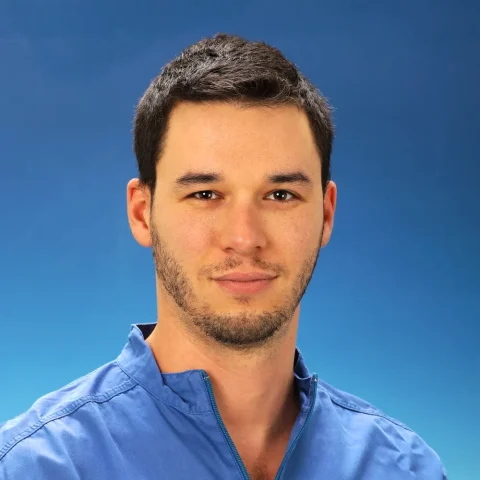
Dr. Varga Dániel Balázs
Implantology · Bone Grafting · Wisdom Tooth Removal
Read more →: Dr. Varga Dániel Balázs -

Dr. Kerekes Erwin
Implantology · Bone Grafting · Wisdom Tooth Removal
Read more →: Dr. Kerekes Erwin -

Dr. Komáromy-Poros Gergő
Tooth-Preserving Treatments · Wisdom Tooth Removal · Implantology
Read more →: Dr. Komáromy-Poros Gergő -

Dr. Molnár Áron Ágoston
Wisdom Tooth Removal · Implantology · Bone Grafting
Read more →: Dr. Molnár Áron Ágoston -
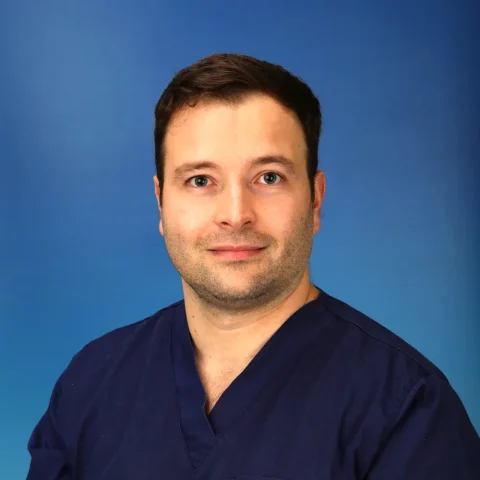
Dr. Szakály Balázs
Wisdom Tooth Removal · Implantology · Bone Grafting
Read more →: Dr. Szakály Balázs
Why OralMed Studio?

Experienced Team
Specialists and dental hygienists in one place.

30 years of experience
Reliable care in Buda.

Easy appointment booking
Online or by phone.

Comprehensive Care
From diagnosis to aftercare, all in one place.
Reviews
★★★★★ Google rating
Have a question about the treatment?
Leave your contact details and briefly describe what you need. A member of our oral surgery team will call you back and help schedule a consultation.